Emergency Fire Damage Restoration San Diego, From First Call to Secured
The fire is out, the trucks have gone, and the house is standing open with soot on everything. Emergency fire damage restoration San Diego families need in the first day is less about slogans and more about order: wait for clearance, open the claim, photograph everything, board up the openings, sort out the night. This page walks through that order, hour by hour, and how this service connects you with independent local providers across San Diego, around the clock.
- Nothing entered before clearance
- Documented before cleanup starts
- Boarded up the same visit
- Independent local providers
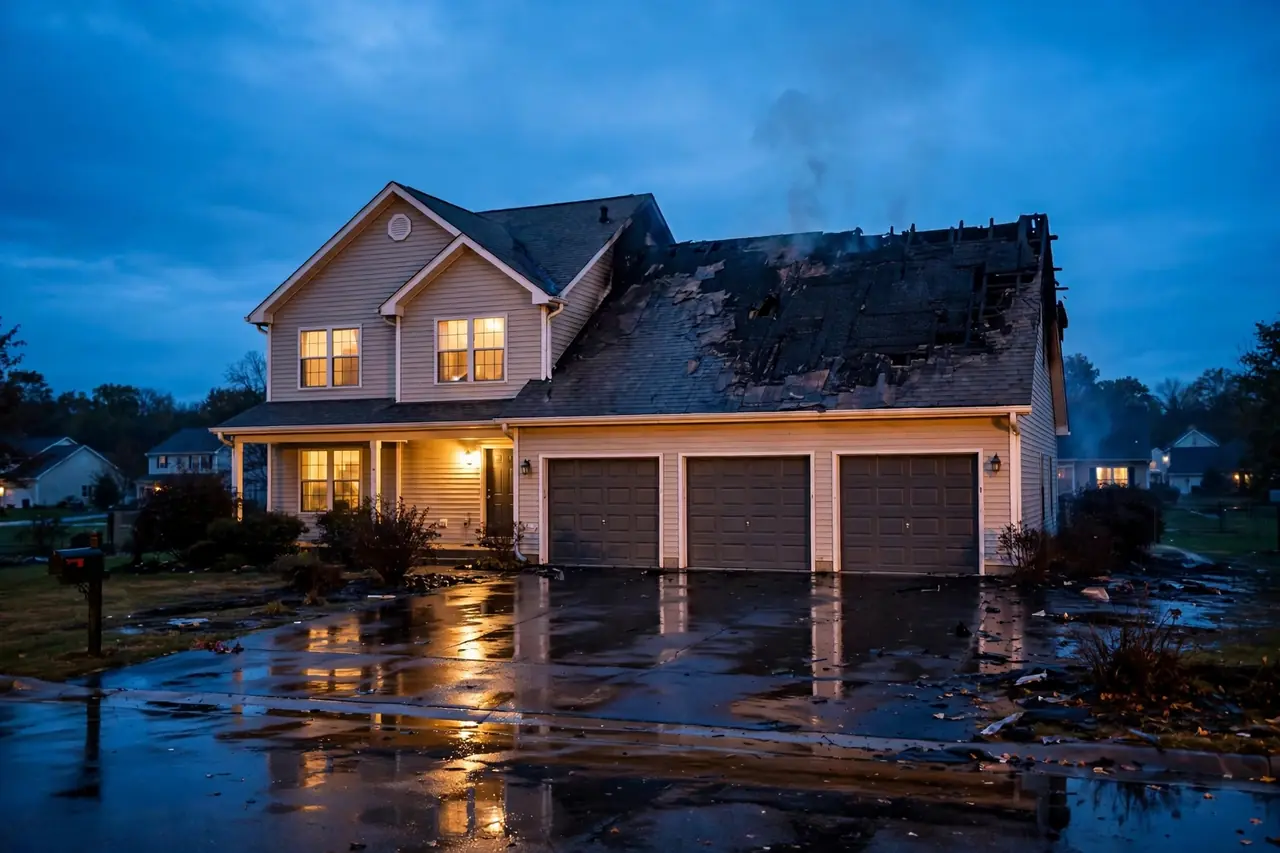
Emergency fire damage restoration San Diego: the order of response
Emergency fire damage restoration in San Diego starts with patience: stay out until the fire department releases the building. Then open the insurance claim, photograph every room before anything moves, board up burned openings, and keep every receipt, because the first day's record carries the whole claim.
The order matters because each step protects the next one. Cleanup before the photographs weakens the insurance claim. Entering before clearance risks the one injury this job can still cause. Board-up delayed by a night invites weather and passersby into a house that cannot protect itself. The sections below follow the sequence in the order it actually happens, and what you can usefully do yourself in the first hours, which is more than most homeowners expect.
What counts as a fire emergency
A fire emergency is any fire, however small it looked, that has left a building open, a structure weakened, utilities shut off, or soot spreading through rooms the flames never reached. The flames are the short part. The emergency is the state the house is in afterwards: unsecured, undocumented, and quietly getting worse as soot etches and firefighting water soaks.
One version of this list belongs on a different page. Wildfire smoke and ash can make a home unlivable without any flame reaching it, and San Diego's canyon neighborhoods know that version well. Our wildfire damage restoration page covers it. Everything else on this page assumes a fire in or at the building itself.
However the search was phrased, what homeowners need in that first day is the same short list: clearance, claim, record, secure, shelter. The rest of this page is those five jobs in detail, in the order they protect you best.
- Kitchen fires. Nationally, NFPA figures put cooking first among home fire causes, and the kitchen fire is the classic San Diego call too: a small burn area, and smoke through every room in the house.
- Heating and electrical fires. Heating is the second cause nationally in the same NFPA figures. Older panels, space heaters and chimneys are the local regulars, often in the older housing stock of North Park and Mission Hills.
- Garage and vehicle fires. A garage fire may never enter the living space and still smoke-damage the whole house through the shared attic and ducts, with fuel and chemicals raising the hazard level of the debris.
- Smoke-only events. A smoldering appliance or a furnace puffback can coat a home in soot with no open flame at all. The emergency is smaller, but the cleanup order on this page is the same.
Clearance, claim, record, secure, shelter
Wait for clearance
Do not go back in until the fire department releases the building, however small the fire looked. Fire weakens floors and roofs, hot spots flare again, and utilities are shut off at the meter for a reason. This step has no shortcut.
Call the insurer
Open the claim early and ask two questions: what documentation do you need, and what does my additional living expense cover include? The answers shape the rest of the day, including how long a hotel stay you can plan on.
Photograph everything
Once cleared, walk every room with a phone camera before anything is moved or thrown away. The checklist in the next section is the full list. It takes twenty minutes and it is the backbone of the claim.
Gather, do not clean
Take documents, medicines, chargers and valuables to a safe place. Leave the soot alone: wiping it with the wrong method smears it into paint and fabric and makes the real cleaning harder and more expensive.
Board up the openings
Burned windows, doors and roof openings get boarded and tarped, as our board-up and tarping page describes. This protects the home from weather and break-ins, and insurers expect it as a condition of the claim.
Sort out the night
If the home is not livable tonight, and after most fires it is not, book the hotel, keep the receipt, and eat like people who are keeping receipts. Additional living expense cover exists for exactly this night.
The documentation checklist, before cleanup starts
- Video walk-through of every room, starting at the fire room, before anything is moved.
- Close photographs of the point of origin and of any failed appliance, including model and serial plates.
- Photographs of contents in place, room by room, including closets, the garage and the attic hatch.
- An inventory list of damaged contents started the same day, while the details are fresh.
- The fire report details: date, time, and the responding department's incident information.
- Receipts kept for board-up, hotel nights, meals, laundry and every emergency purchase.
- Notes of every call with the insurer: date, time, who you spoke to, what was agreed.
What the first provider visit does
When the provider arrives, the visit follows a pattern. The clearance and the utility shut-offs are confirmed. The building is secured if that has not happened yet. Then the damage is walked and recorded: the fire room, the smoke spread, the water the firefighters left, and the contents, which are triaged into clean on site, pack out, or record as a loss, the stage our contents pack-out page covers. Firefighting water is extracted and drying starts, because wet structure behind soot is still wet structure. Soot cleaning begins with the worst rooms, following the methods on our smoke damage restoration page.
You should leave that visit with a written scope: what was found, what comes out, what is cleaned in place, and what the next days look like. The cleanup then runs for days, and the rebuild that follows runs for weeks, and anyone who quotes one number or one date for both is skipping the honest part.
Night and weekend reality
Fires do not keep office hours, and neither does the damage. Soot left overnight etches deeper. Water left overnight soaks further. An open house left overnight is an invitation. This is why the service takes calls around the clock, and why the honest measure of a 24/7 service is not a badge on a website but the sequence on this page: clearance respected, record made, openings boarded, water moving out. Ask any provider what the first visit includes and judge the answer against that list.
Where fire emergencies hit in San Diego
The pattern follows the housing and the land. Canyon-rim neighborhoods, Scripps Ranch, Tierrasanta and Rancho Bernardo, carry the wildfire side of the risk. The older homes of North Park, Hillcrest and Mission Hills carry the everyday side: older wiring, older heaters, additions built across a century. The providers in this network work across the 41 San Diego ZIP codes listed on our service areas page.
- San Diego
- Chula Vista
- La Mesa
- El Cajon
- Santee
- Lemon Grove
- National City
- Imperial Beach
- Coronado
- Oceanside
- Escondido
- Carlsbad
- Vista
- San Marcos
- Encinitas
- Solana Beach
- Del Mar
- Poway
What not to do
- Do not enter the building before the fire department clears it, for any belonging, however valuable it feels.
- Do not wipe or wash soot. The wrong method smears it, drives it into surfaces, and turns cleanable damage permanent.
- Do not throw away damaged contents before they are photographed and listed. Undocumented damage is the claim dispute nobody wins.
- Do not run the heating or cooling system. It will pull stored soot from the ducts through every cleaned room.
- Do not use appliances, outlets or wiring in burned rooms until they have been checked. Heat damages what eyes cannot see.
Common questions in the first 24 hours
What should I do first after a house fire?
Wait for the fire department to clear the building, and do not go back in before that, however small the fire looked. Then call your insurer and open the claim, photograph every room before anything is moved or thrown away, and get burned openings boarded up so weather and passersby stay out. Save receipts for everything, including a hotel if you cannot stay. The record you make in the first day is what the rest of the claim is paid on.
Can we stay in the house tonight?
Sometimes, after a small fire confined to one room, if the utilities are on, the structure is sound and the smoke damage is light. After anything larger, usually not. Soot keeps circulating, power, water or gas are often shut off at the meter until checked, and a burned kitchen or the only bathroom settles the question on its own. If you cannot stay, your policy's additional living expense cover is there for hotel nights, and receipts are what it is paid against.
Will insurance pay for a hotel after a fire?
Often, yes. Standard California homeowners policies commonly include additional living expense cover, which pays the extra cost of living away from home while a covered loss makes the house unfit to live in: hotel nights, meals above your normal spend, laundry, pet boarding. The rules and limits sit in your policy, and payment runs on receipts, so keep every one from the first night. Confirm your cover with your insurer on the first call, before you book a longer stay.
What should I not touch after a fire?
Soot, for a start. Wiping soot with the wrong method smears it and drives it into paint and fabric, and soot is acidic, so bare hands come off worse as well. Do not throw away damaged contents before they are photographed and listed, and do not run the heating or cooling system, because it will pull stored soot through every room. Leave appliances and wiring in burned rooms alone until they are checked. Photograph first, touch second, and only where it is safe.
How soon does soot need to be cleaned?
Sooner than feels reasonable. Soot is acidic and keeps working while it sits: it etches glass, pits metal, stains plastic and yellows paint over the days after a fire, and the odor sets deeper into soft materials the longer they hold it. That is why cleanup starts in the first days, after the property is documented and secured, and why the worst rooms are cleaned first. Waiting a week does not make the same job impossible, but it makes some of the damage permanent.
Who decides when cleanup can start?
Three voices, in order. The fire department decides when the building is safe to enter and releases it. Your insurer needs the damage documented before it is disturbed, which is why photographs come before cleanup, not after. Then the provider sequences the work itself: secure, extract and dry, clean, rebuild. Nobody needs to wait for an adjuster's visit before emergency work like board-up starts, but the record of that work, photos and receipts, is what the claim is settled on later.
The fire is out. The first day still decides the claim.
You have done the first hours right: cleared, documented, secured. The next steps are extraction, soot cleaning and a written scope. The full service overview is on the fire damage restoration San Diego homepage, and the cost side is set out in our fire damage restoration cost guide. Reach out now and get connected with a local provider.
Get Help Now